Which Virtual Piano Fits Your Studio?
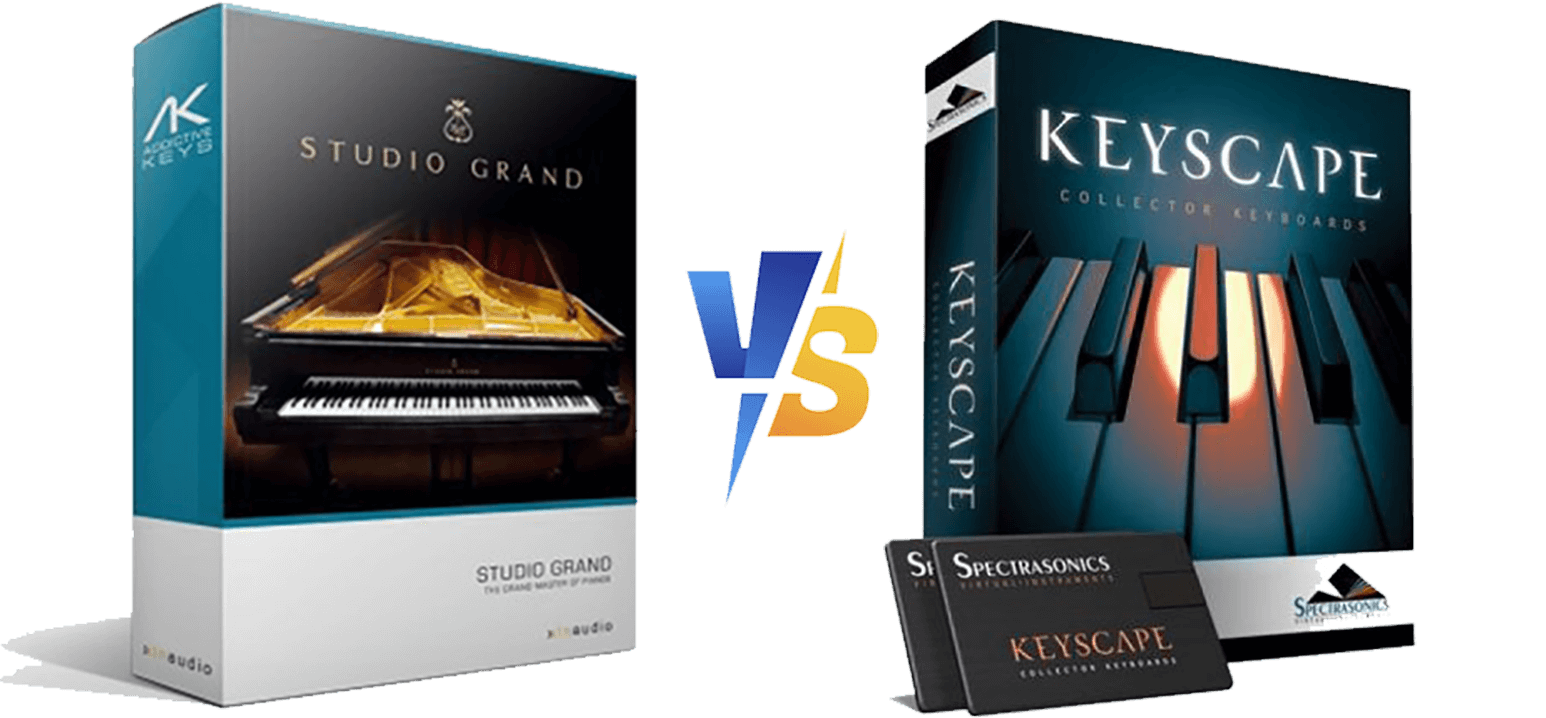
If you’re shopping for a high-quality virtual piano, you’ve probably come across two names: XLN Audio’s Addictive Keys Studio Grand and Spectrasonics’ Keyscape. Both deliver professional sounds, but they do very different jobs. Knowing the real differences between Addictive Keys vs Keyscape can save you money, drive space and CPU headaches.
This comparison doesn’t declare a single winner. It shows which one suits your workflow, budget and computer, whether you’re scoring films, writing pop songs or just starting out.
Addictive Keys vs Keyscape at a Glance
| Addictive Keys Studio Grand | Keyscape | |
|---|---|---|
| Made by | XLN Audio (Sweden) | Spectrasonics (USA) |
| What you get | One Steinway Model D concert grand, with six mic positions | 36 instrument models and 465 patches: grands, uprights, electric pianos, clavinets, toy pianos and more |
| Price | $99 on its own, or pick 2 pianos for $169 (Duo) or 3 for $199 (Trio) | $399 |
| Computer needs | Around 1.5 GB of disk space per piano; 2 GB RAM (4 GB recommended) | About 78 GB installed, 80 GB free space needed (or a 30 GB “Lite” install with 8 instruments); 8 GB+ RAM and an SSD recommended |
| Free trial | Yes, from XLN Audio | None listed |
| Formats | VST, AU, AAX and standalone | VST2, VST3, AU, AAX and standalone |
| Where to buy | Plugin Boutique | Spectrasonics |
Is Keyscape Free?
No. Keyscape costs $399 as a download, and the boxed edition with a USB installation drive is the same price. Spectrasonics doesn’t list a free version or a trial on its product pages.
If you want to try a piano before you pay, Addictive Keys has a free trial on XLN Audio’s website.
Is Keyscape Worth It?
It depends on how many of its instruments you’ll use.
Keyscape is worth it if you play or produce with lots of different keyboards. Alongside its LA Custom C7 grand you get Rhodes and Wurlitzer electric pianos, a Clavinet, three Hohner Pianets, a Yamaha CP-70 electric grand, a celeste, a clavichord, an electric harpsichord, toy pianos and more. Buying separate libraries for all of those would cost far more than one. If it’s mainly the Rhodes you’re after, our Rhodes V8 vs Anthology vs Keyscape comparison covers cheaper ways to get one. If you already own Omnisphere, Keyscape also opens inside it and adds more than 1,500 extra patches built with Omnisphere’s synthesis.
It isn’t worth it if you only want a grand piano. At $399 you’d be paying for 35 instruments you don’t use, and you’d need 80 GB of free space for them. A dedicated piano like Addictive Keys Studio Grand costs a quarter of the price.
If you only need a piano, our best budget piano plugins guide compares five good options under $150.
Addictive Keys vs Keyscape: Head to Head
Core Philosophy
Addictive Keys Studio Grand focuses on one thing: a studio-ready Steinway Model D concert grand. It’s a small library, around 1.5 GB on disk, that loads fast and runs in 2 GB of RAM, built for producers who need a reliable piano without distractions.
Keyscape, by contrast, is a library of about 78 GB holding 36 rare and vintage keyboard instruments, collected and restored over ten years. It’s less a piano plugin and more an archive of keyboard history.
So the first question is: do you need one excellent piano or a whole keyboard collection?
Sound Quality: Realism vs Practicality
Both sound excellent, in different contexts.
Keyscape’s LA Custom C7 grand is known for its detail. Spectrasonics recorded up to 32 velocity layers and modelled the mechanical noises, pedal noises and release overtones of each instrument, so it feels alive. The C7 even includes separate “pedal down” samples, recorded with the sustain pedal held. For solo piano or cinematic scores where nuance matters, it’s hard to beat.
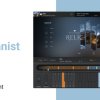
Addictive Keys is built for the mix. XLN recorded its Steinway with vintage tube and ribbon microphones in a large, quiet studio at the Swedish Broadcasting Corporation, and you can blend the mic positions to fit your track. It may not have Keyscape’s depth of detail, but it sits in pop, rock and electronic arrangements with very little work.
Interface & Workflow
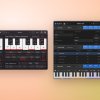
Addictive Keys has a clean interface, with presets laid out in ExploreMaps that you can preview with one click. Its Edit page adds EQ, filter, compression, distortion, chorus, phaser, tremolo, delay and reverb, plus pitch, filter and volume envelopes. The Memo button records a MIDI sketch whenever an idea comes, saved with the sound you played it on. You can shape the tone without leaving the plugin, which suits songwriters who want to stay in the creative zone.
Keyscape gives every patch its own set of Custom Controls: performance controls plus effects made for that sound, including modelled vintage amplifiers and classic effects units. Omnisphere owners can go further and use Omnisphere’s full synthesis engine and effects routing on Keyscape sounds.
For quick sketching, Addictive Keys is faster to get around. For shaping a vintage keyboard sound in detail, Keyscape gives you more.
Performance & System Demands
Addictive Keys is lightweight. XLN asks for 2 GB of RAM (4 GB recommended), and each piano takes only around 1.5 GB of disk space, so it runs well on laptops and mid-range computers.
Keyscape needs 80 GB of free drive space (the full library itself is about 78 GB), and Spectrasonics recommends 8 GB of RAM or more and a solid-state drive. There’s a 30 GB “Lite” install with 8 of the instruments for stage use if your laptop is short of space. If you install from the download rather than the USB drive, you’ll need about 160 GB free while it installs. On a slower computer, Keyscape’s Thinning button reloads patches with fewer samples, and switching off the C7’s Sustain Realism halves that piano’s load.
If your computer is modest, this may decide the question for you.
Best Use Cases by Genre
- Addictive Keys Studio Grand suits pop, rock, singer-songwriter, electronic and film work where the piano supports other parts.
- Keyscape shines in film, jazz, soul, funk and experimental music, where texture and variety matter. Need a dusty upright for a noir scene, a toy piano for an ambient layer or a Clavinet for a funk part? Keyscape has all three.
Price & Value
- Addictive Keys Studio Grand: $99 on Plugin Boutique. If you want more than one Addictive Keys piano, the Trio Bundle lets you pick any three for $199, and the Duo Bundle any two for $169.
- Keyscape: $399 from Spectrasonics. That gets you all 36 instruments. If you regularly use electric pianos and vintage keyboards, that’s where the value is.
Final Verdict: Which Should You Buy?
Neither is “better” in every case. The right choice depends on your situation.
Choose Addictive Keys Studio Grand if you:
- Need a high-quality Steinway that loads fast and runs on almost any computer
- Are on a budget or just starting out
- Want built-in effects and a quick workflow
- Produce pop, rock or electronic music
Choose Spectrasonics Keyscape if you:
- Want 36 different keyboard instruments in one place
- Have 80 GB of free space, 8 GB+ RAM and an SSD
- Work in film, jazz, soul or experimental music
- Already own Omnisphere
FAQs: Addictive Keys vs Keyscape
Is Keyscape worth it if I only want a piano?
No. At $399 it’s overkill for a single instrument. Addictive Keys Studio Grand or another dedicated piano costs much less.
Is Keyscape a VST?
Yes. It comes as VST2, VST3, AU and AAX, and there’s a standalone app too.
Does Addictive Keys have a free trial?
Yes. XLN Audio offers a free trial on its website.
Do I need Omnisphere to run Keyscape?
No. Keyscape runs on its own, as a plugin or as a standalone app. If you do own Omnisphere, Keyscape also appears inside it as a library.
Which is better for live performance?
Both run standalone. Addictive Keys is lighter on your computer; Keyscape’s 30 GB Lite install is made for stage use.
Is Addictive Keys good for beginners?
Yes. It’s affordable, easy to use and sounds good straight away.
Ready to Choose Your Piano?
- Get Addictive Keys Studio Grand for a light, affordable piano that’s quick to work with.
- Explore Spectrasonics Keyscape if you want a whole collection of rare keyboards.
For a closer look at the Steinway sound, mic positions and presets, read our Addictive Keys Studio Grand review.